
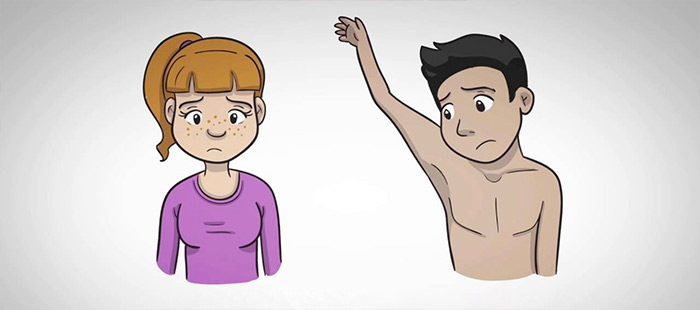
Early puberty is when children start developing physical signs of becoming adults earlier than usual. Typically, girls begin puberty around ages 8 to 13, and boys from 9 to 14. When these changes begin earlier, it is known as precocious puberty. Understanding what exactly constitutes early puberty reasons is vital for parents.
What Causes Early Puberty?
Several factors can lead to early puberty:
- Genetics: Often, if parents or close relatives experienced early puberty, their kids might too. It’s a family thing.
- Hormonal Changes: Sometimes, children’s bodies start producing hormones earlier. These hormones trigger puberty.
- Environmental Exposures: With more chemicals in our environment than ever, some might affect puberty timing. For example, certain products might contain chemicals that mess with kids’ hormones.
- Lifestyle and Diet: Changes in diet and lifestyle might contribute. Increased technology use sometimes links to less sleep and more stress, which might indirectly affect hormone levels.
Recognizing these signs early puberty can help in managing and addressing potential issues quickly. Being aware of these factors aids parents in understanding how complex and varied the early puberty reasons can be.
Recognizing Early Signs and Symptoms
Spotting signs early puberty helps parents intervene sooner. But what are these signs?
- For girls, early signs of female puberty include breast development and menstruation before age 8.
- Boys might develop facial hair or deepening voices before age 9.
When kids show these symptoms, it’s a good idea to consult a pediatrician. They might advise tests to rule out underlying issues. Early intervention can include lifestyle adjustments or even medical treatment.
Experts from India emphasize regular doctor visits if these signs pop up early. Specialists often suggest:
- Monitoring your child’s physical changes.
- Maintaining a balanced diet.
- Encouraging daily physical activities.
Being proactive is key if you notice these signs early puberty.
Exploring the Root Causes
Precocious puberty can be split into central or peripheral types.
- Central precocious puberty starts in the brain and is usually managed with medication.
- Peripheral precocious puberty originates from other parts of the body and needs different treatments.
Several risk factors for early puberty exist:
- Genetics: Family history is a strong indicator.
- Environmental factors: Exposure to endocrine-disrupting chemicals in plastics, cosmetics, and foods.
- Obesity and Nutritional High-calorie, low-nutrient diets might trigger earlier puberty.
Medical conditions, like certain tumors or thyroid disorders, can also speed up puberty. Genetic mutations might make some more prone to develop early.
Addressing these risk factors for early puberty can delay the onset. Focusing on a healthy lifestyle is a good start.
Managing and Mitigating Early Puberty
Why is early puberty a concern?
Effects of early puberty might include adult-like feelings in kids who are emotionally not matured, leading to challenges in self-image and interactions. Social issues might arise, influencing a child’s school life and friendships.
Parents can adopt strategies to manage or delay puberty:
- Balanced Nutrition: Ensure your child has a well-rounded diet with minimal processed foods.
- Physical Activities: Encourage regular exercise, which is beneficial for both physical and emotional health.
- Media and Tech Management: Limit exposure to screens and encourage outdoor activities.
By recognizing and addressing potential early puberty reasons, parents can help their kids navigate these changes more comfortably. A supportive environment focuses on developing healthy habits and helps mitigate the effects of early puberty.
Through awareness and proactive measures, guiding children through puberty can become a smoother experience. Understanding the complete picture of early puberty reasons empowers parents to make informed decisions for their child’s well-being.